Basic Air Ride Maintenance
6/23/2014
Maintenance
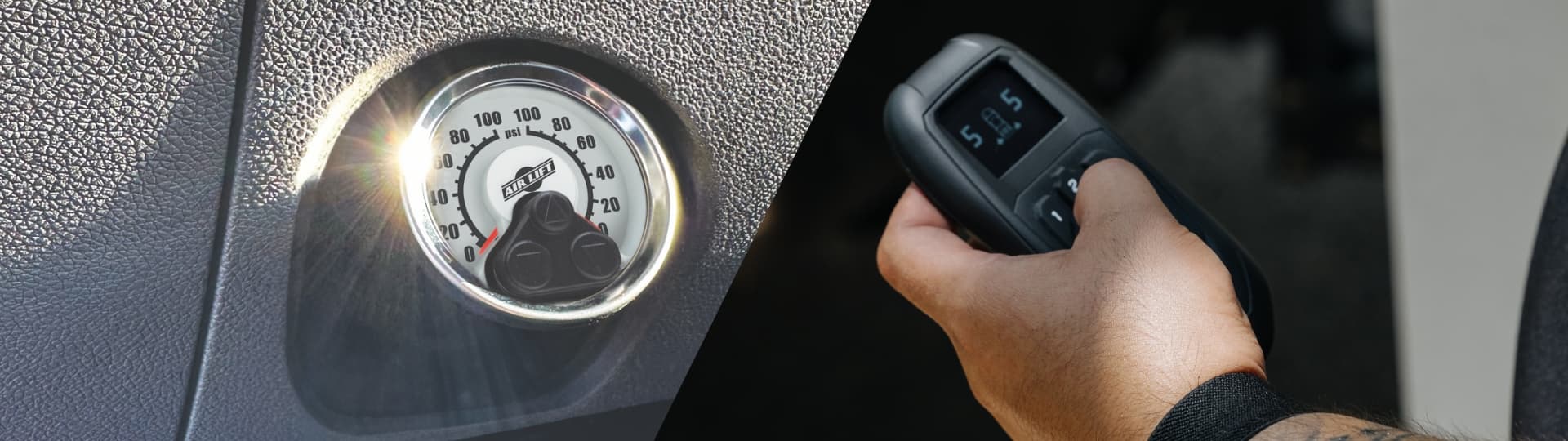
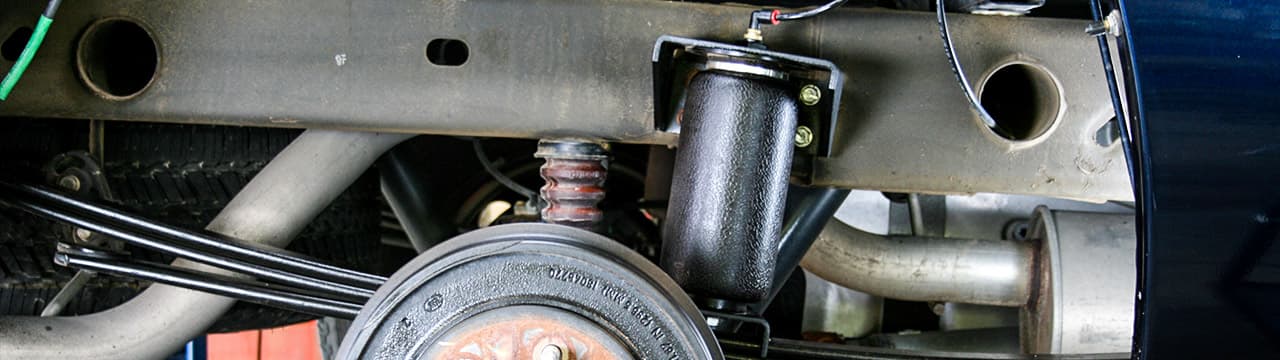
Aside from checking the air pressure weekly, your Air Lift air springs and compressor system require very little maintenance. A periodic inspection of the air springs for any abnormalities such as rub marks, misalignment or other obvious problems will detect most air spring problems in their early stage. Also inspect the air lines to make sure they are not wearing against a sharp edge or being melted by the exhaust system.
Since a vehicle’s suspension is a working and moving component, it’s expected that the axles under your vehicle are moving around as you corner, roll, and drive over rough terrain. What seems like adequate clearance around an air bag when your vehicle sits in your driveway may not be a sufficient amount to assure against rubbing. A minimum of ½” around the air bag is an absolute must.
Dirt on the air bag is not a typical cause of failure. However, keeping your air bags relatively clean will help to extend the life of Air Lift 1000 air bags. Do not apply anything to your air springs that would cause dirt to stick to them.
Repair
Repairs to your Air Lift air spring kit are relatively simple but a brief description of how to use push-to-connect fittings and cutting air line is necessary.
Connecting Fittings and Air Line
The push-to-connect fitting is a very reliable design. To connect the air line, simply push and twist the line in until you feel it “snap” into place. A tug will ensure its security. To remove the line, reduce the pressure to zero and push the retainer ring back towards the fitting and pull the line out at the same time. Read more about using push-to-connect fittings.
Cutting the air line is critical to prevent leaks. The line must be cut squarely and cleanly with a sharp knife or hose cutter. Read more about cutting air lines.
Leak Checking
A mixture of 1 tablespoon of dish soap to one quart of water, sprayed in an all-purpose spray bottle is the common tool used for detecting a leak. If you suspect a leak, spray every plumbing junction, as well as the air bags, to spot the leak. On occasion, the leak may be very difficult to find and using a leak-checking gauge may be necessary.